
Press Room & Media
In the News
Public Bank Proposal Could Fund NJ Cannabis Entrepreneurs
By Dan Uloa, Heady NJ – NJ Cannabis entrepreneurs often have great difficulties thriving in the industry due to a lack of capital. A Public Bank could change that. The Public Bank could loan money and charge a lower interest rate to NJ cannabis entrepreneurs than a private bank. “It’s good for New Jersey to have more small businesses in cannabis distribution. It helps New Jersey because it creates competition and drives down the cost of marijuana.”

Bank of North Dakota report: ND received more funds per capita than any other state
By Bank of North Dakota – The state-owned Bank of North Dakota (BND) reported a profit of $141.2 million in 2020, down from $169 million in 2019 with a return on investment of 15%, according to information presented to the Industrial Commission (Commission) in BND’s annual 2020 report.The report’s theme, “Responding with Confidence,” focuses on the important role the Bank played by assisting residents in response to the COVID-19 pandemic.
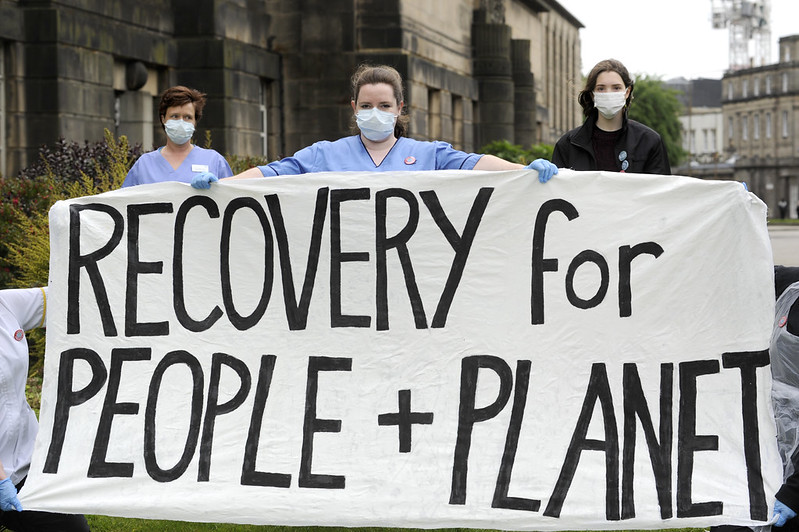
Public Banking Can Improve the Lives of US Workers While Helping Save the Planet
By Paras Griffin, Truthout – The movement to create public banks is gaining ground in many parts of the U.S., particularly as part of an effort among activists and progressive lawmakers to extend banking access to low-income communities and communities of color in the post-COVID-19 economy. But how does public banking help protect the local community and assist with development?
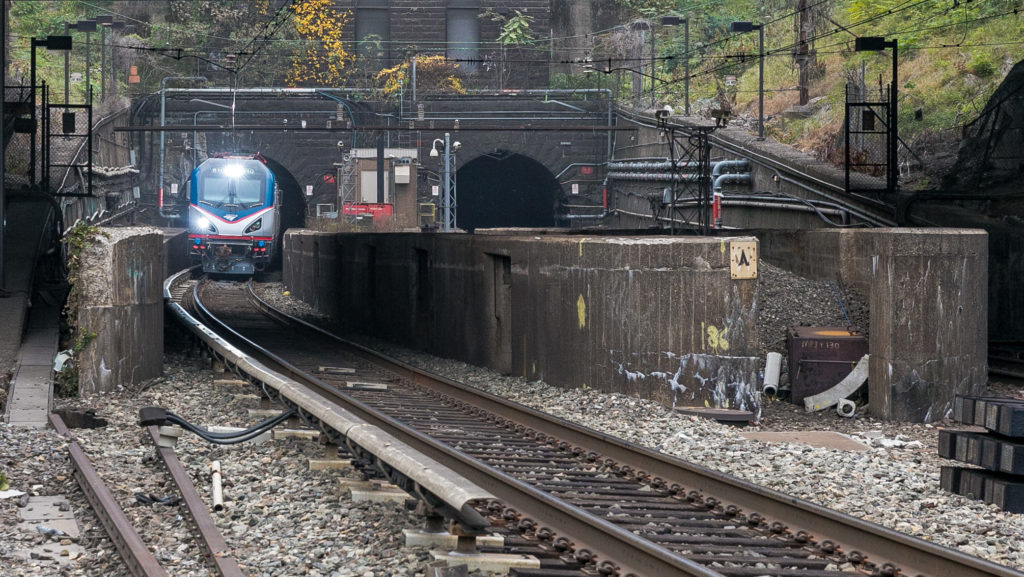
A National Infrastructure Bank could solve the U.S.’s trillion-dollar infrastructure investment challenge
By Stanley R. Forczek, Mass Transit – Everybody agrees the United States’ crumbling infrastructure must be fixed. The problem is nobody knows how to pay for it. As Congress takes up the issue of financing infrastructure through the budget process, the creation of a new National Infrastructure Bank (NIB) becomes more urgent. This bank will cover projects that the federal budget and state and local governments are not able to cover.
Avangrid faces tough questions from New Mexico regulators in final hurdle to $8.3B PNM merger
By Scott Voorhis, Utility Drive – As the Connecticut-based Avangrid expands into the Southwest, the big power company faces a final regulatory hurdle in its proposed $8.3 billion merger with New Mexico-based PNM Resources. Avangrid and PNM have yet to secure the approval of New Mexico’s Public Regulation Commission (PRC), with $60 million in penalties and cost disallowances Avangrid’s subsidiaries have been hit with in other states due to service and reliability issues now a major issue in the review.
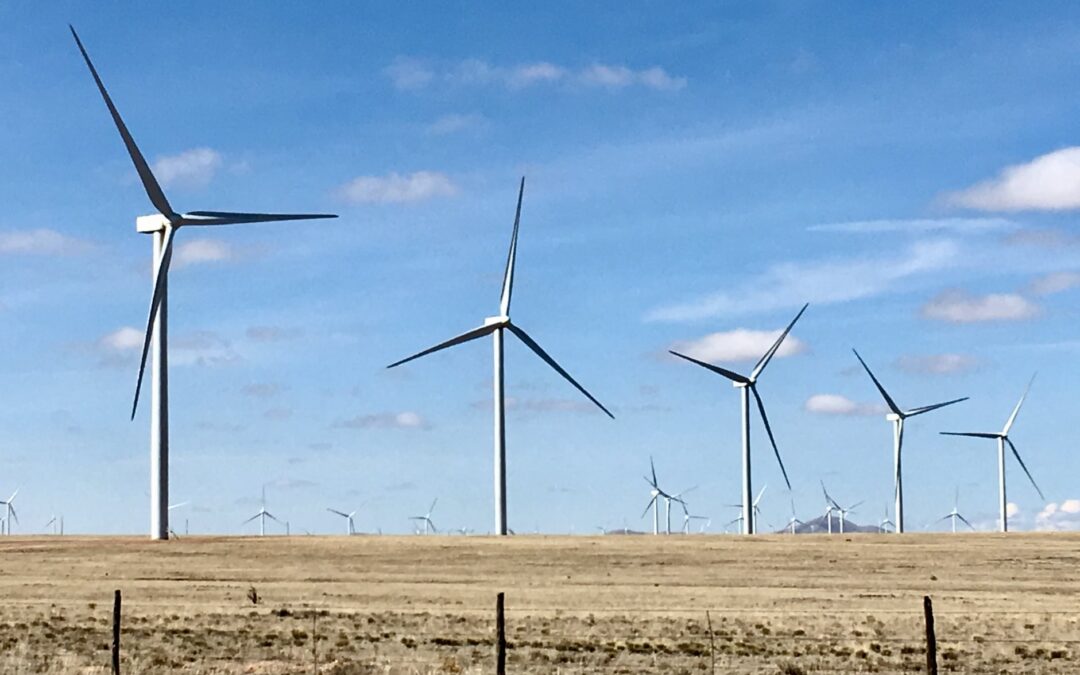
The smartest way to finance clean energy that you’ve never heard of
By Ella Nilsen, Vox – In the United States, financing infrastructure and clean energy projects is often contingent on the quirks of partisan dealmaking in Congress. But there may be a better way. Green banks work much more like a regular bank — lending money for clean energy or energy-efficiency projects with an expected return on investment. Green banks essentially use a combination of public and private money, taking a smaller amount of public funds and leveraging private dollars to grow projects.

The Most Important Small Business Lending Program You’ve Never Heard of is Back and Bigger than Ever
By Oscar Perry Abello, Next City – As part of the American Rescue Plan passed in March, Congress is putting out a second round of the State Small Business Credit Initiative. This time, it’s providing $10 billion. States have until this Friday to notify the U.S. Treasury that they plan to seek funding under the initiative, and then they’ll have until December 11 to submit a full application with a plan for how they’ll use those funds over the next ten years.
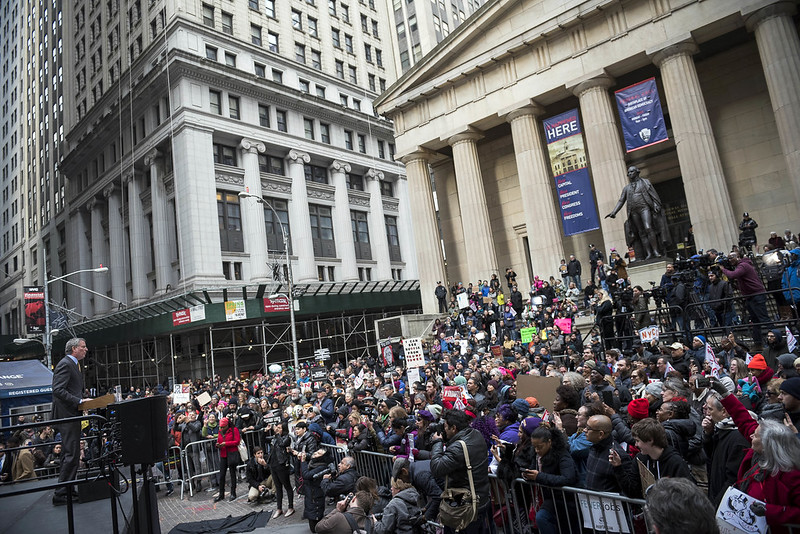
New York City Gets Back in Bed with a Bad Bank — But There’s a Better Way
By Andy Morrison, Gotham Gazette – This past week, an obscure public body, the New York City Banking Commission, decided that the city can resume banking with Wells Fargo — meaning the scandal-scarred bank could hold billions of public dollars for at least the next two years. Wells Fargo’s shameful record raises a question we’re tired of asking: How bad does a bank have to be before it faces real consequences? New York City needs a public option for the city’s financial holdings—a public bank for the public good.
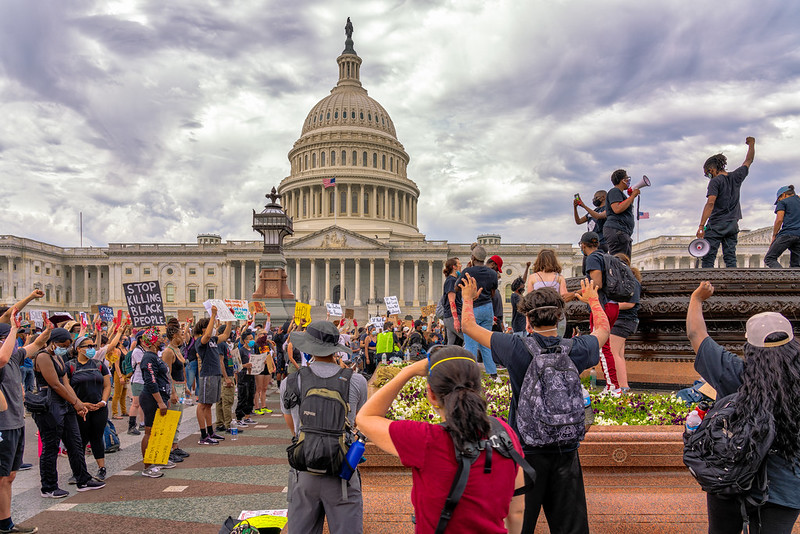
How banking changed after the killing of George Floyd
By Kevin Wack, Polo Rocha, Laura Alix, Allissa Kline & Jon Prior, American Banker – Since the killing of George Floyd, issues of racial inequity have gained more attention and the U.S. banking sector has felt various effects. At the policy level, it has sparked greater interest in undoing the legacy of redlining, and added momentum to an ultimately successful push to provide debt relief to Black farmers. What follows is a look at some of the ways that Floyd’s killing has impacted banking and financial services policymaking.
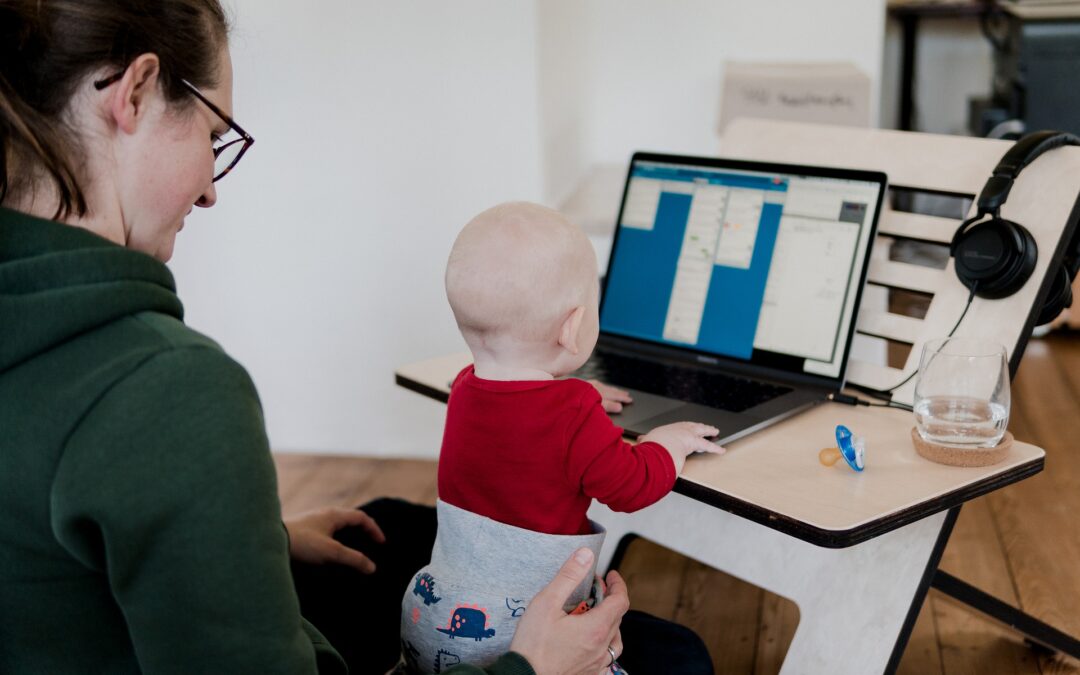
With the Child Tax Credit, the Unbanked Face Yet Another Trial in Getting Government Benefits
By Claire Williams, Morning Consult – At the core of the issue of dispersing the Child Tax Credit are the people who don’t have access to traditional bank accounts, and who might have issues receiving their stimulus checks and other benefits directly deposited. Research has shown that “unbanked” populations are disproportionately minorities, and are among some of the most vulnerable consumers who need government aid payments to reach their accounts.

No Results Found
The page you requested could not be found. Try refining your search, or use the navigation above to locate the post.

Episode: Everyone deserves a public bank

“I had the good fortune to work on this initiative before Bernie kidnapped all my time. This is one of those no-brainer initiatives that only the 1% could oppose. It has the potential to save the state millions of dollars by vastly reducing the cost of its bonds to improve infrastructure funding. in a public bank, our state funds can be used to build our local economy and our local infrastructure.”
– Paul Gibson
Retake Our Democracy