
Press Room & Media
In the News
Small Banks Save Small Businesses, So Why Aren’t There More Small Banks?
By Oscar Perry Abello, Next City – With fewer community banks around, it’s obvious why small business loans have been falling in both dollar amounts and as a percentage of all loans. The COVID-19 pandemic and the PPP program have simply blown the lid wide open on the net effect of the slow but steady disappearance of smaller lenders over the past few decades.
Small Banks ‘Punched Above Their Weight’ for Paycheck Protection Program
By Next City – Banks with less than $1 billion in assets hold just 6 percent of all the money in banks in the U.S., but they and other small lenders approved 20 percent of the Paycheck Protection Program loan dollars that went out. Many community banks approved all applicants, not for the profit, but to assure that the community will survive the pandemic.
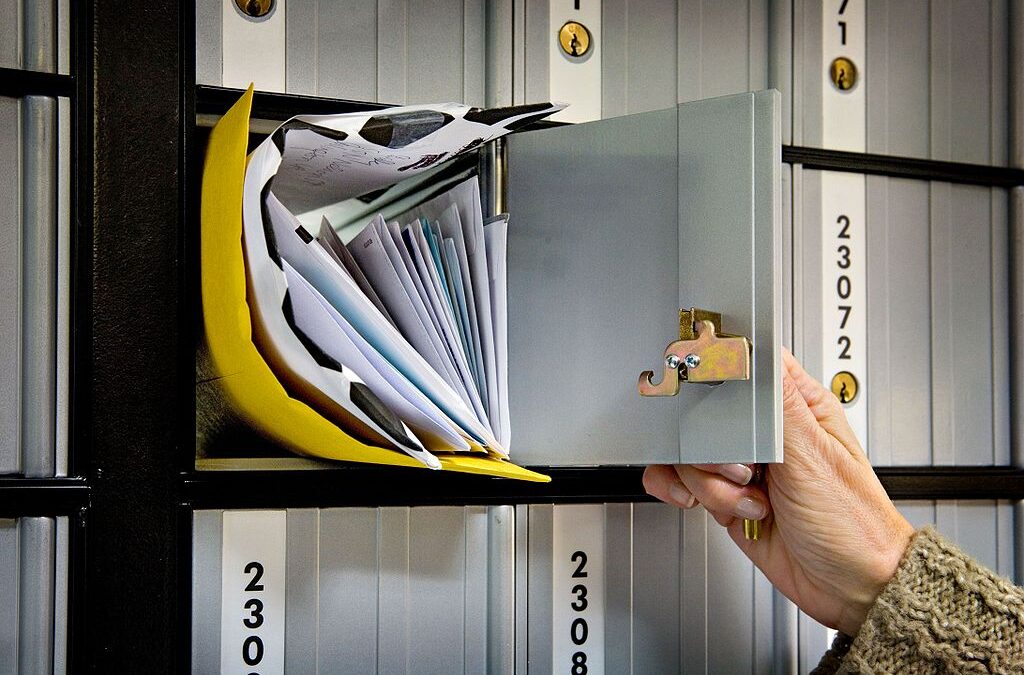
Sen. Gillibrand proposes new legislation to help U.S. Postal Service
Lara Morales, The Legislative Gazette – On April 28th, U.S. Sentator Kristen Gillibrand proposed that her legislation, the Postal Banking Act, is necessary to protect the USPS. Gillibrand announced the legislation would create postal banks, which would establish a retail bank in the U.S. Postal Service’s 30,000 locations. This would provide essential banking services to low-income Americans, particularly communities of color and rural communities.
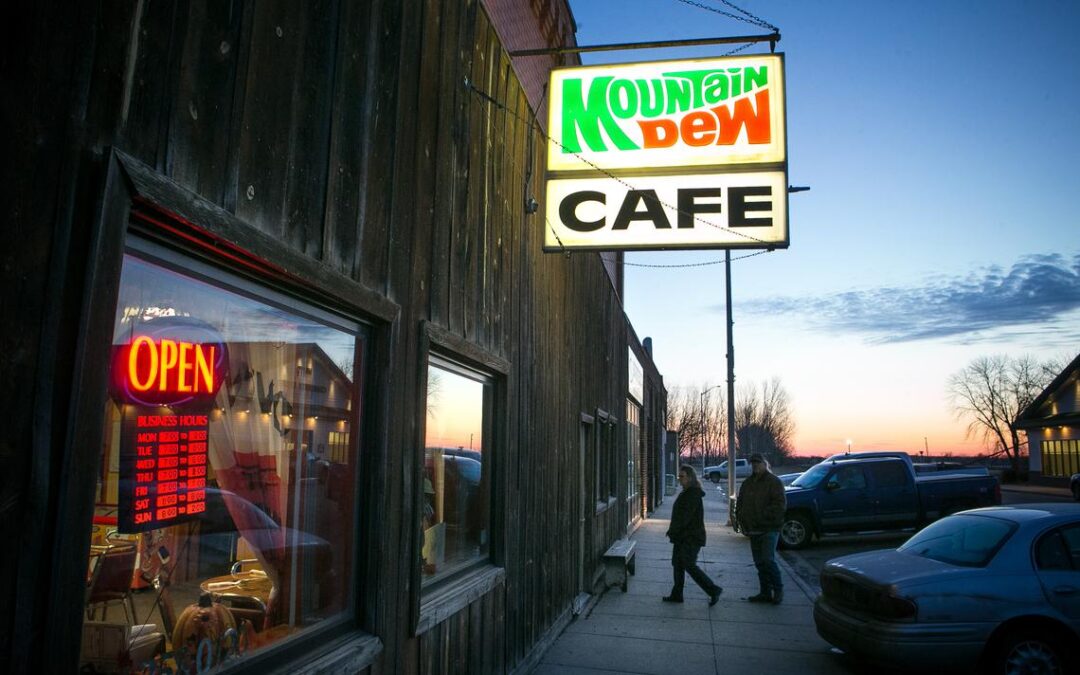
Small Businesses Were at a Breaking Point. Small Banks Came to the Rescue.
By Peter Rudegeair, Orla McCaffrey and Liz Hoffman, The Washington Post – Where big banks are favoring certain customers for PPP loans and delaying loan-taking processes with web-portals, many local lenders are taking all comers and processing loans instantly. The coronavirus has given beaten-down small banks an opportunity to show their price.
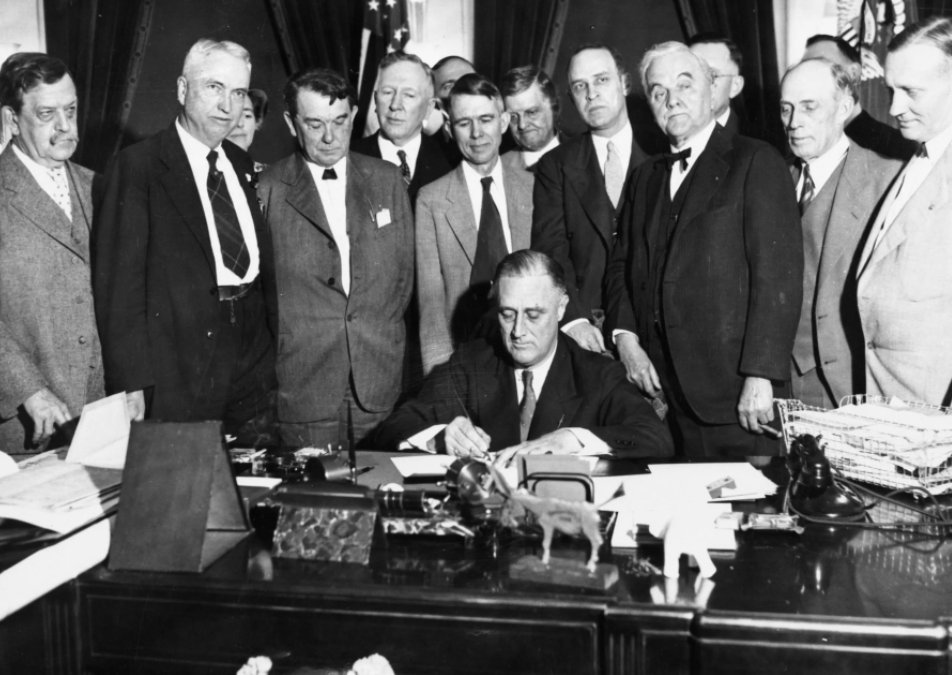
Current Economic Policies Have Capitalism on Life Support: Effective Actions to Rescue It
By Mohamad Shaaf, CounterPunch – A speedy recovery from our current economic crisis requires adjusting the structure of the economy toward a steady and speedy flow of capital in circulation by removing obstacles, and calibrating and coordinating different parts of the financial sector. Policies must be instituted as soon as possible, and those that have just passed Congress should be reversed.
Crushing the States, Saving the Banks: The Fed’s Generous New Rules
Ellen Brown, Common Dreams – If there is a silver lining to the COVID-19 pandemic, it is that the Fed’s relaxed liquidity rules have made it easier for state and local governments to set up their own publicly-owned banks, something they should do post haste to take advantage of the Fed’s very generous new accommodations for banks.

Opinion: Recovering from Covid-19 With Public Banking
By Rick Girling, Post News Group – The response to COVID-19 has laid bare, once again, the glaring economic inequalities we live with every day. An essential new institution is public banking — new to most of us in America, but a proven institution globally for the past few hundred years.
Report: Fewer Small Businesses are Receiving Federal Relief Loans in States Dominated by Big Banks
Stacy Mitchell, Institute for Local Self-Reliance – A significantly larger number of federal relief loans in response to the COVID-19 economic fallout are reaching small businesses in states where small, local banks comprise a greater share of the market, compared to states where big banks are more dominant.

Maryland can prevent a year-long health crisis from becoming a decade-long economic crisis
Michael Brennan, The Washington Post – Maryland’s state budget faces an existential crisis as a result of the novel coronavirus pandemic. To avoid economic catastrophe, MD Gov. Hogan must solve the state budget crisis by taking three actions: (1) demanding unconditional federal relief, (2) borrowing from the Federal Reserve and (3) establishing a state public bank.

To Keep the Economy Afloat, the Fed Turns to North Dakota
Oscar Perry Abello, Next City – Bankers generally don’t like surprises. But as CEO at the Bank of North Dakota, the only state-owned bank in the country, Eric Hardmeyer was pleasantly surprised to see the Federal Reserve taking a page out of his institution’s playbook to help deal with the unprecedented economic disruption from the COVID-19 pandemic.

No Results Found
The page you requested could not be found. Try refining your search, or use the navigation above to locate the post.

Episode: Everyone deserves a public bank

“I had the good fortune to work on this initiative before Bernie kidnapped all my time. This is one of those no-brainer initiatives that only the 1% could oppose. It has the potential to save the state millions of dollars by vastly reducing the cost of its bonds to improve infrastructure funding. in a public bank, our state funds can be used to build our local economy and our local infrastructure.”
– Paul Gibson
Retake Our Democracy