
Press Room & Media
In the News
Big Banks Charged Billions in Overdraft Fees During the Worst Months of the Pandemic
By Alexander Sammon, The American Prospect – Last week, the country’s largest banks announced their quarterly earnings, crushing estimates and expectations nearly across the board. It marked another surprisingly profitable quarter in what’s become quite a run since the coronavirus hit the U.S. over a year ago. Banks, to the surprise of nobody, have been among the first American institutions to recover, and have done so dramatically. Millions of working people lag behind.

Beef up New Mexico’s food supply chain with local processing
By Sherry Robinson, Carlsbad Current Argus – The pandemic has shown us the weaknesses in the supply chain and reoriented consumer demand. Consumers nationwide depend on four big meat packing companies, and when plants closed over COVID-19 outbreaks, grocery store shelves emptied. That spurred consumer interest in buying local meat; there’s also growing enthusiasm for organic, grass-fed beef.
State and Local Public Bank Efforts Stalling Without More Federal Support
By Oscar Perry Abello, Next City – Public banking legislation was introduced into the New Mexico state house and senate earlier this year, where it received approval from one house committee but stalled in another. Some of the reason for that stalling out was questions raised about the proposed bank that can’t quite be answered at the state level. Those questions would require action at the federal level, actions that happen to be at the heart of the Public Banking Act, introduced in the U.S. House of Representatives last year.
2021 Infrastructure Report Card Lays Groundwork for Federal Infrastructure Plan
By American Society of Civil Engineers – On March 3rd, ASCE released the 2021 Report Card for America’s Infrastructure through a virtual Solutions Summit to an audience of more than 3,400 attendees from across the country. The Report Card, which covers 17 categories of infrastructure, assigned the U.S. a cumulative grade of ‘C-‘, up from a ‘D+’ in the 2017 report. While the GPA improved slightly, there are still 11 categories in the ‘D’ range, meaning these systems are in poor condition and at risk.
Free banking in California? New bill tackles access and racial equity
By Margot Roosevelt, Los Angeles Times – A score of California lawmakers have signed on to a new bill designed to offer Golden State households free financial services, taking on the state’s powerful banks at a time when easier access to banking services could help families cope with the economic fallout of the COVID-19 pandemic.
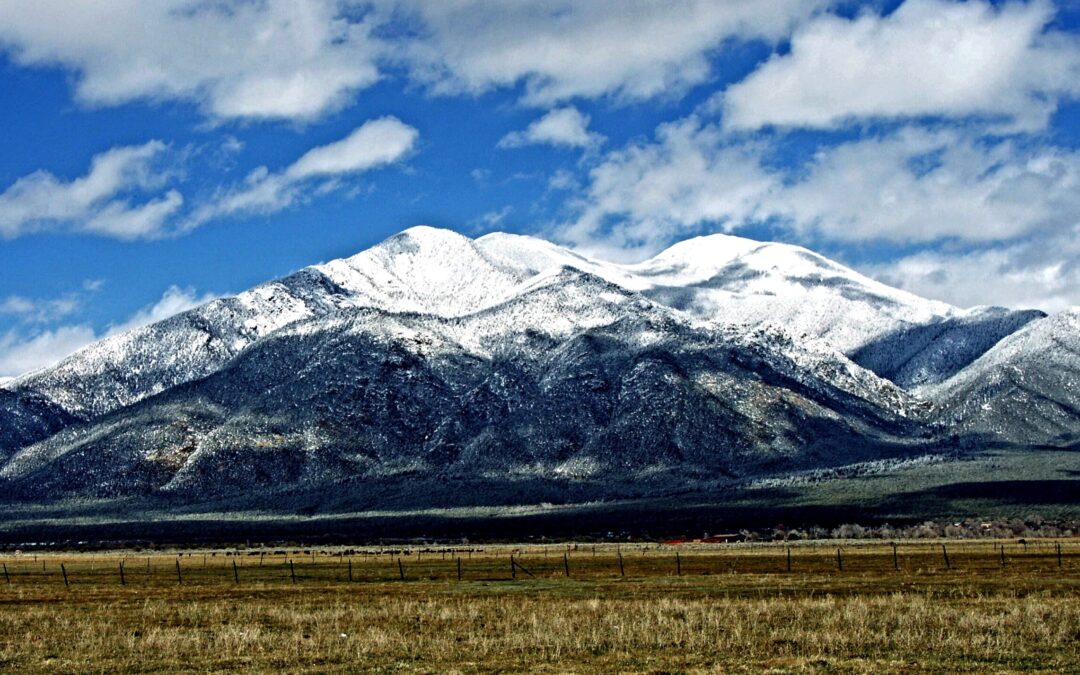
Letter to the Editor: Taos County needs a public bank
By Justin Friedman, Taos News – The legislation to create a New Mexico State Public Bank did not progress in this year’s legislative session. It received two committee hearings and died in the second one. The critical piece for Taos County is the related failure to locally fund startup small businesses in solar installation, home improvement, forest management and a diverse, far reaching number of local initiatives.
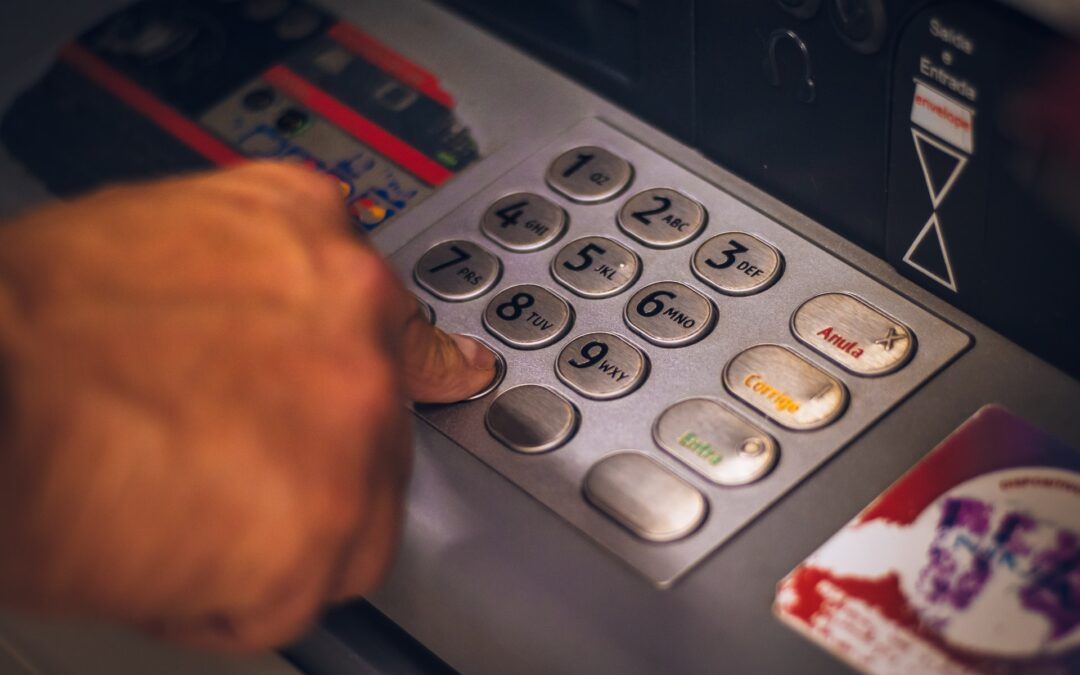
California Leaders Propose Nation’s First Public Banking Option
By Jana Kadah, Bay City News Service – Five California legislators are trying to establish the nation’s first public banking option that would offer no-fee, no-penalty bank accounts to all California residents. The California Public Banking Option Act, also known as BankCal, seeks to close the widening racial wealth gap by offering financial services at no cost. Those services include a no-fee, no-penalty debit account that requires employees to facilitate direct deposit into the account when requested.
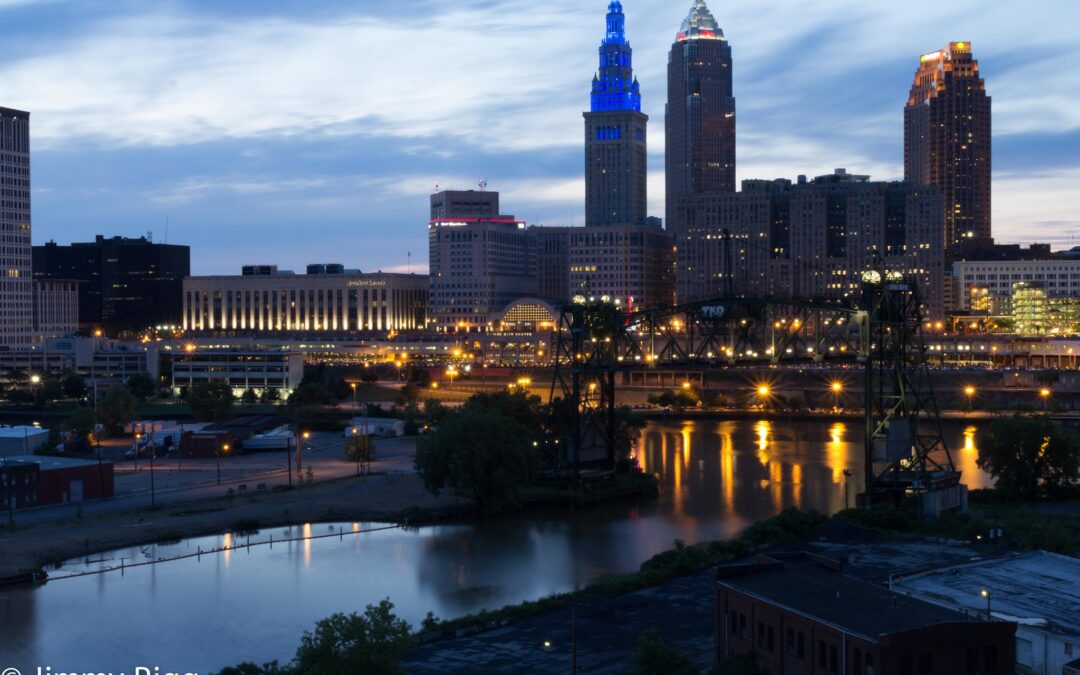
Public Banking Can Help Cleveland Reinvest In Itself
By Geeta Minocha, Cleveland Scene – Approximately 25% of Cleveland residents are unbanked or underbanked, preventing them from accessing credit, building wealth, or taking full advantage of social programs like TANF or Medicaid. Disconnecting people from the financial system makes them more vulnerable to predatory practices, making this issue especially salient for a city that is no stranger to reverse redlining. Public banking is the answer.
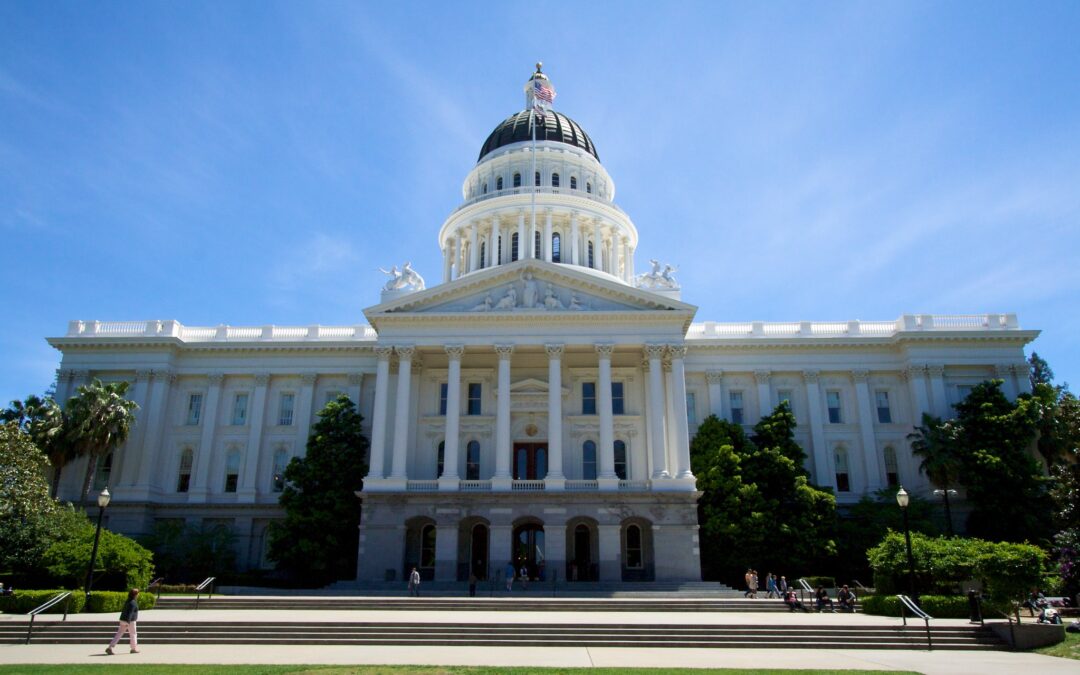
Legislator seeks to create free banking services for Californians
By Mark Anderson, Sacramento Business Journal – Los Angeles Assemblymember Miguel Santiago has introduced legislation that would form a state panel to create a no-fee, no-penalty bank account supported by the state and managed by existing financial companies. Unlike a previous attempt by Santiago to create public banks, this time around, the legislation, Assembly Bill 1177, would form a Public Banking Option Board, which would partner with existing financial institutions to offer the free accounts statewide through a “BankCal” program.
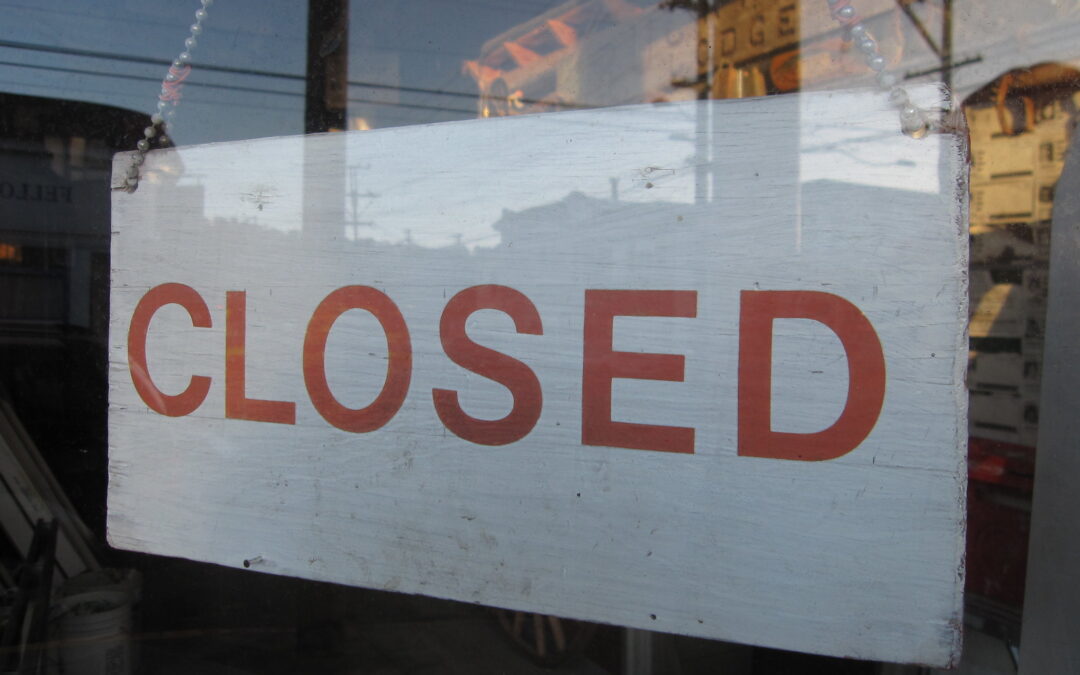
‘What Are We Going To Do?’: Towns Reel As Banks Close Branches At Record Pace
By Scott Horsley, NPR – Banks have been permanently shuttering branches for years, but the number of closures hit a record in 2020 as the pandemic accelerated the move by many customers to online banking. Banks closed 3,324 branches last year, according to a tally by S&P Global Market Intelligence. It makes financial sense for banks given the cost of operating branches. When banks close, the impact can go beyond inconvenience. It can also push people to more expensive options such as check-cashing stores or payday lenders.

No Results Found
The page you requested could not be found. Try refining your search, or use the navigation above to locate the post.

Episode: Everyone deserves a public bank

“I had the good fortune to work on this initiative before Bernie kidnapped all my time. This is one of those no-brainer initiatives that only the 1% could oppose. It has the potential to save the state millions of dollars by vastly reducing the cost of its bonds to improve infrastructure funding. in a public bank, our state funds can be used to build our local economy and our local infrastructure.”
– Paul Gibson
Retake Our Democracy