

Friends of AFLEP,
If you are tuned into the news you know that there have been many headlines about challenges in the banking industry, and our country’s financial system. What does this mean for lending in New Mexico? First, the regional and local banks are tightening their credit at the same time that interest rates are increasing on loans that they do make. Second, borrowers are seeking alternative sources of funds beyond the banks. That means that these “shadow” banks, which are not actually banks, but rather investment funds, and are not regulated, are becoming “go-to” sources for funds. These “nonbanks” do not take deposits, however, they do make loans that are often more risky, with more restrictions and higher interest rates. The other options are fintech, digital lenders who also charge higher interest rates, credit cards, or title loans. Hardly the optimum sources for a new business start-up or expansion.
There is a tool that would serve two purposes—provide capital to borrowers and support community banks, credit unions and CDFI’s with participation loans. A Public Bank of New Mexico could provide capital with no inflated interest rates and no danger of a run on deposits or investments.
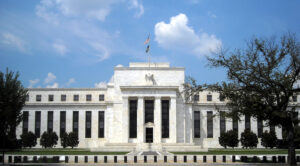
What if businesses and individuals had accounts at the Fed Bank?
The recent bank crisis and news of bank instability especially in regional banks has brought focus to alternatives to our current banking system. There have been suggestions that the actions taken to close or sell the troubled banks were challenges to crypto banking. Public banking is receiving increased attention from more states, as well as the idea of creating Fed Accounts—the ability of individuals and businesses to place deposits with the Federal Reserve. Each option has gained credibility as means of minimizing the instability of the current banking system. It should come as no surprise that groups and individuals are seeking alternatives to the current financial system.
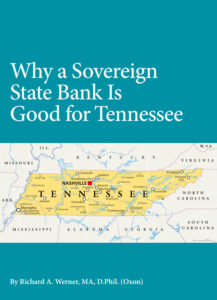
Read the Weiner report for the Tennessee Legislature.
There is more public bank activity across the country. A recent briefing memo written by Richard Weiner, a banking and finance professor at Oxford University, for the Tennessee state legislature, pointed to a state public bank’s benefits, including higher state-level tax revenues, greater job creation, increased local autonomy and related resilience to shocks from outside the state, more options for funding governmental entities’ borrowing, increased options for state pension funds, protection against CBDCs, and protection of financial transaction privacy. CBDCs are central bank digital currencies that have been proposed for the Federal Reserve to skip engagement with local banks with the Fed handling all transactions for businesses and individuals. That potential raises significant issues regarding the protection of privacy and surveillance. Weiner suggests that public bank structures would enhance all state finance systems. You can read the report here.
What’s Happening in New Mexico?
 The 2023 Interim Committees have just been announced and they will meet through this month and early June to develop work plans and meeting schedules. We will request hearings with 4-5 committees and will keep you informed as they are scheduled. We are also scheduling meetings with legislative leaders and state officials, including department heads and the state treasurer.
Our Pro Forma, the financial plan for the state bank, has been audited and we will be sharing this information in our meetings. The state public bank is viable.
Our outreach continues into rural communities and meetings with small business owners, farmers and ranchers, and community leaders. Surveys have been sent to gather more information on the challenges of equitable access to capital. They will be expanded into communities and regions around the state. Our allies are vitally important and we are strengthening our collaboration to advance shared values and initiatives that will support local prosperity.
We invite you to join our team; share your time, your talents, your treasure. We are advocating for system change and it takes all of us to move through the inertia and resistance to change that naturally occurs. We will not expand our rural community or small business development by continuing to do as we’ve done. We must “let go” and create new options that will better support the yearnings and creativity of our historically marginalized populations. And we need to do so soon!


